Skip to content
About FoodInsights

Reliable data for companies that together form a chain

FoodInsights works with food companies that share data across two or more organisations. We connect information from different sources, check it and make it usable — and where needed, make its origin verifiable in an audit.

We connect knowledge of food chains with digital applications.

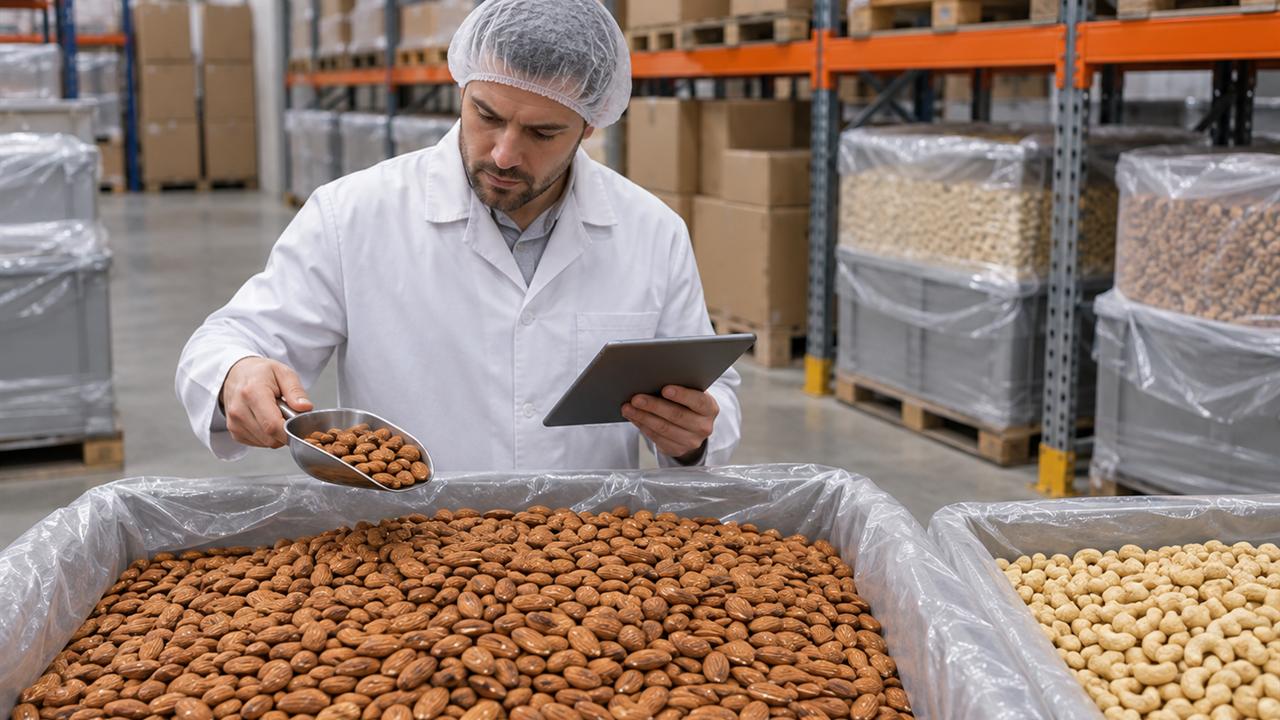
A worker in a white coat inspects a lot of nuts in a storage warehouse and records the finding on a tablet.
Illustration of the working environment. A lot being checked and recorded. What gets written down here has to still hold at the next party in the chain — that is where our work starts.
Background

Your data sits across organisational boundaries

A food company works daily with suppliers, producers, storage operators, hauliers and buyers. Each holds part of the information, yet decisions have to be made on the whole.

Where did a lot come from? Under what conditions was it stored? Does it meet the buyer's terms? What is the stock worth? And how is a footprint substantiated?

FoodInsights works on this dependency between organisations. We connect data to what it means in practice: which lot it belongs to, how current it is, and which decision it has to support.

Grower · ERP

Lot
2026-W33-B4
Quantity
480.0 kg
Date
14-08 harvested

Packer · WMS

Lot
NL-22-0847
Quantity
472.6 kg
Date
15-08 received

The same pallet. Two identifiers, two dates measuring two different events, and a 7.4 kg difference nobody has explained — and not one field is wrong inside its own system.

Applications

Four uses for reliable chain data

Four decisions for which food companies depend on information that does not come out of their own system.

Product quality

Knowing what happens to your product

Quality control needs product and condition data to line up. We connect origin, lot and process data with readings such as temperature, moisture and CO₂ — supporting track & trace, cold chain monitoring and deviation investigation.

An example question When something is off, can we find which lot it concerns and under what conditions it was handled?

Sales

Being able to show what your customer asks for

Buyers set conditions on what they purchase and on the information that comes with it: origin, specifications, quality, storage. We help companies bring that data together and make it available for the sales process.

An example question For this delivery, can we substantiate that the agreed purchase conditions were met?

Financing

Substantiating a view of the collateral

Assessing collateral calls for information on quantity, location, quality, shelf life and value. We connect that data and make it available in traceable form, giving all parties a better basis for the conversation.

An example question Which stock is where, what condition is it in, and what information is the valuation based on?

Footprints and emissions

Being able to account for what you report

A footprint report rests on data from several organisations: raw materials, feed, energy, transport, production. We connect it to the calculations and methods used, so what an outcome rests on is visible.

An example question Can we retrieve which source data, calculation method and assumptions sit behind this reported footprint or emission?

Data quality

Data has to be usable and verifiable

Sharing data is only worth something if the recipient understands what it means and what it rests on. Five questions are central to our approach.

Auditable where it needs to be

Sometimes a buyer, financier or independent assessor has to establish how information came about. We record not just the outcome but the source data, documents, processing steps, calculations and changes, so it can be reconstructed.

How far this goes depends on the application and the agreements involved. Auditability is built in when the case calls for it — not an audit performed, a certification, or approval by an auditor.

Origin
Which source does the data come from?
Currency
When was it recorded or updated?
Completeness
Is information missing that the decision needs?
Meaning
Do the parties involved use the same definitions and units?
Traceability
Can data, processing steps and corrections be followed back?
How we work

We work on customer questions and on joint development

Customer assignments

Our work starts with a concrete business process: where data comes from, where it is missing, and who has to work with it. From there we build the data connections, overviews or applications that fit.

Development projects

In projects we work with companies, research bodies and educational institutions on questions that touch more than one party. We develop and test new applications, and bring practical knowledge and digital possibilities together.

Customer questions show where the need is. Projects give room to develop new possibilities. The knowledge built along the way lets the next application fit better.

Approach

From a question in practice to something people use

Understand the question

Which decision or action needs better support, and which organisations are involved in it?

Map the data

Which sources are available, and what has to be agreed about content, quality, access and any audit requirements?

Build the application

We connect the data and make it usable through dashboards, monitoring or targeted analysis.

Test it in practice

With the people using it we judge whether the information helps. Where auditability was agreed, we test whether the substantiation can be followed back.

Project examples

Our approach in practice

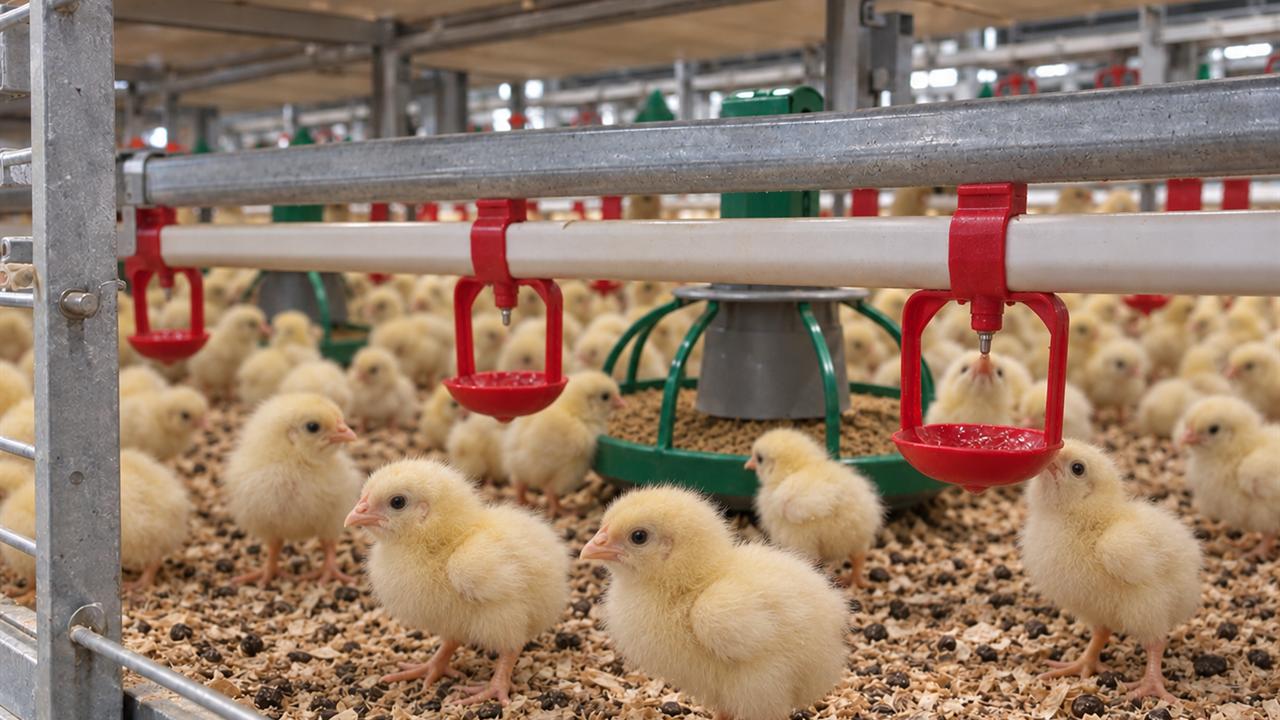
Young broiler chicks around a feeder pan in a house with a raised patio floor.

Digital Vital Poultry Chain

A project where chain data, applied research and education come together. The DataLab for the poultry chain and the marketplace for CO₂ and NH₃ credits are in use; an EduLab is in development.

See Digital Vital Poultry Chain →
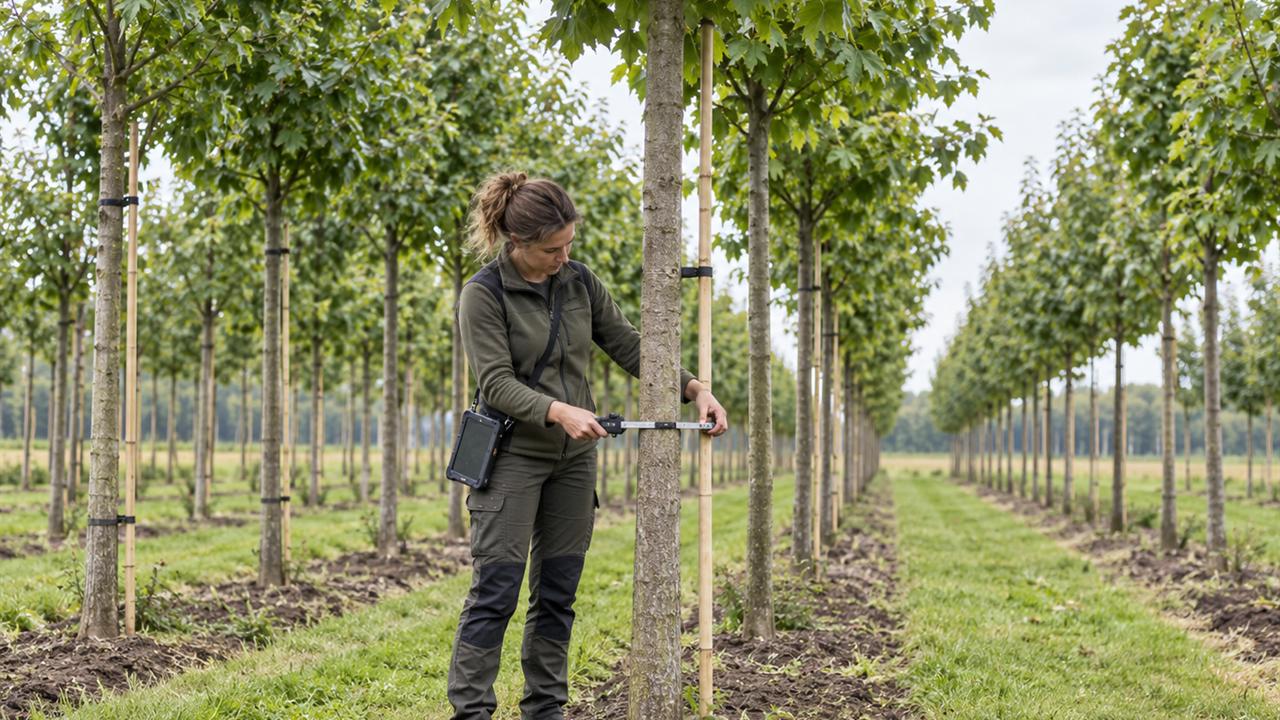
A worker measures the trunk diameter of an avenue tree with callipers in a nursery row.

De Stamhouder

A project on automated tree measurement, stock data and a digital tree passport. It shows how data from different systems can be connected for applications in agriculture.

See De Stamhouder →
Contact

Get in touch

Do you work with information from suppliers, buyers or other organisations, and does its reliability matter? We are glad to talk through where FoodInsights can help.

1
The caseWhich decision keeps stalling on information you do not record yourself.
2
The sourcesWho holds which part of that information, and in what form.
3
A first stepWhat it takes to make it work, and what that asks of the other parties.