Origin that survives every handover
Where a product came from is the one claim nobody downstream can re-measure. We keep it intact across every boundary it crosses, and keep the supplier evidence behind it current.
- Supplier
- Coöperatie Zuidhoeve
- Origin
- Zeeland, NL
- Certification
- GLOBALG.A.P. · valid
- Last audit
- 14 Aug 2026
- Farm
- Processor
- Packer
- Retailer
The information exists, but not where you need it
Most chains are not short of information — they are short of information you can act on and defend. Specifications sit in mailboxes, certificates in shared drives, and the link between a pallet and its farm exists only in somebody's memory.
Without FoodInsights
- Specifications and certificates scattered across mailboxes, drives and spreadsheets
- Chasing the same suppliers for the same documents, every year
- Expired certificates discovered during the audit, not before it
- A customer questionnaire that takes two weeks and three departments
- A recall scoped by guesswork, because lineage stops at your own gate
With FoodInsights
- One record per supplier, product and batch — with the evidence attached
- Suppliers submit and maintain their own data through a guided portal
- Expiries and gaps flagged weeks ahead, assigned to a named owner
- Customer and audit requests answered from a live dossier, in minutes
- Recall scope narrowed to the batches actually affected
Trace forward for scope, backward for cause
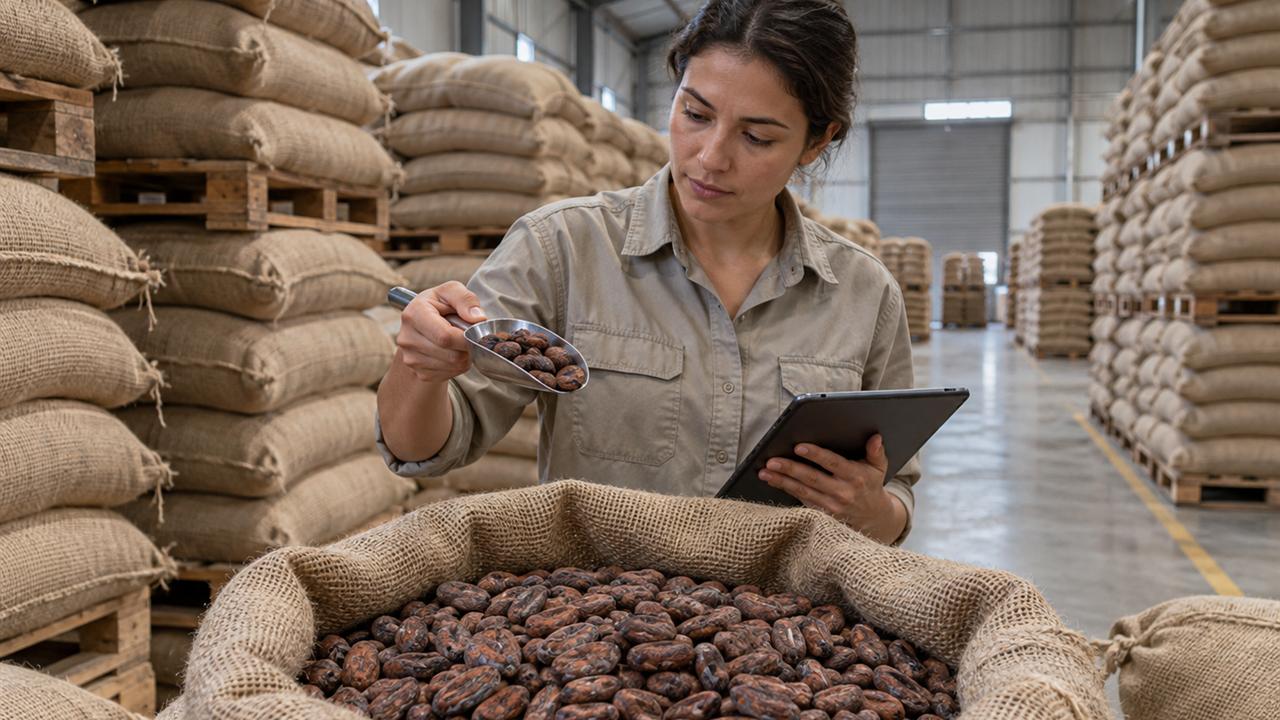
Batch-level lineage from origin to delivery, with the evidence attached at every step. When something surfaces on a Friday afternoon, the question "which deliveries are affected" is a query rather than a weekend.
Where lots are blended we keep the proportions rather than collapsing them to one origin. A lot that is 62 % Zeeland and 38 % Picardie is recorded as exactly that; storing one origin per lot produces a number nobody downstream can check.
Let suppliers maintain their own record
Supplier adoption decides whether a system like this works. Ours asks each supplier only for what is genuinely required, in their own language, and lets them reuse what they have already submitted elsewhere.
What comes back is checked rather than filed: a certificate is read, its scope and validity dates extracted, and its coverage compared against what you buy under it. A valid certificate for the wrong scope is a common audit finding.
One dossier, always current
Supplier & product dossiers
Requirements, documents, specifications and approvals in one record per party, kept current by the party that owns the information.
Batch lineage, both directions
Forward for recall scope, backward for root cause, with blend proportions preserved rather than flattened.
Certificates read, not filed
Scope, validity dates and issuing body extracted and checked against what you actually buy — so a mismatch surfaces before an auditor finds it.
Gaps with an owner and a date
Every exception is assigned rather than listed. A dashboard nobody is accountable for is a report, not a control.
Standards that travel
GS1 identifiers and EPCIS-shaped events, so what leaves your system means the same thing when it arrives in somebody else's.
What it changes
Audit preparation in hours
The dossier is current by design, so preparing for an audit is a review rather than a reconstruction.
Recalls scoped, not guessed
Lineage with blend proportions means the affected volume is the affected volume — not the whole production run.
Origin claims that hold
A country-of-origin or deforestation-free claim resolves to source records, which is the only form of it that survives scrutiny.
Start with a 15-minute call
Tell us where your chain loses the thread. If we are not the right fit, we will say so on the call — and point you somewhere better.